1. Sản phẩm hếtview
The Midiplus Studio M is a compact and high-performance USB audio interface designed for studio recording. It features one input and two outputs, supporting high-quality microphone input and 24-bit/192kHz high-precision sampling. The device is powered via PC USB and includes 48V phantom power for condenser microphones. Its small, exquisite design is compatible with both Mac and Windows operating systems, making it a versatile tool for musicians and producers.
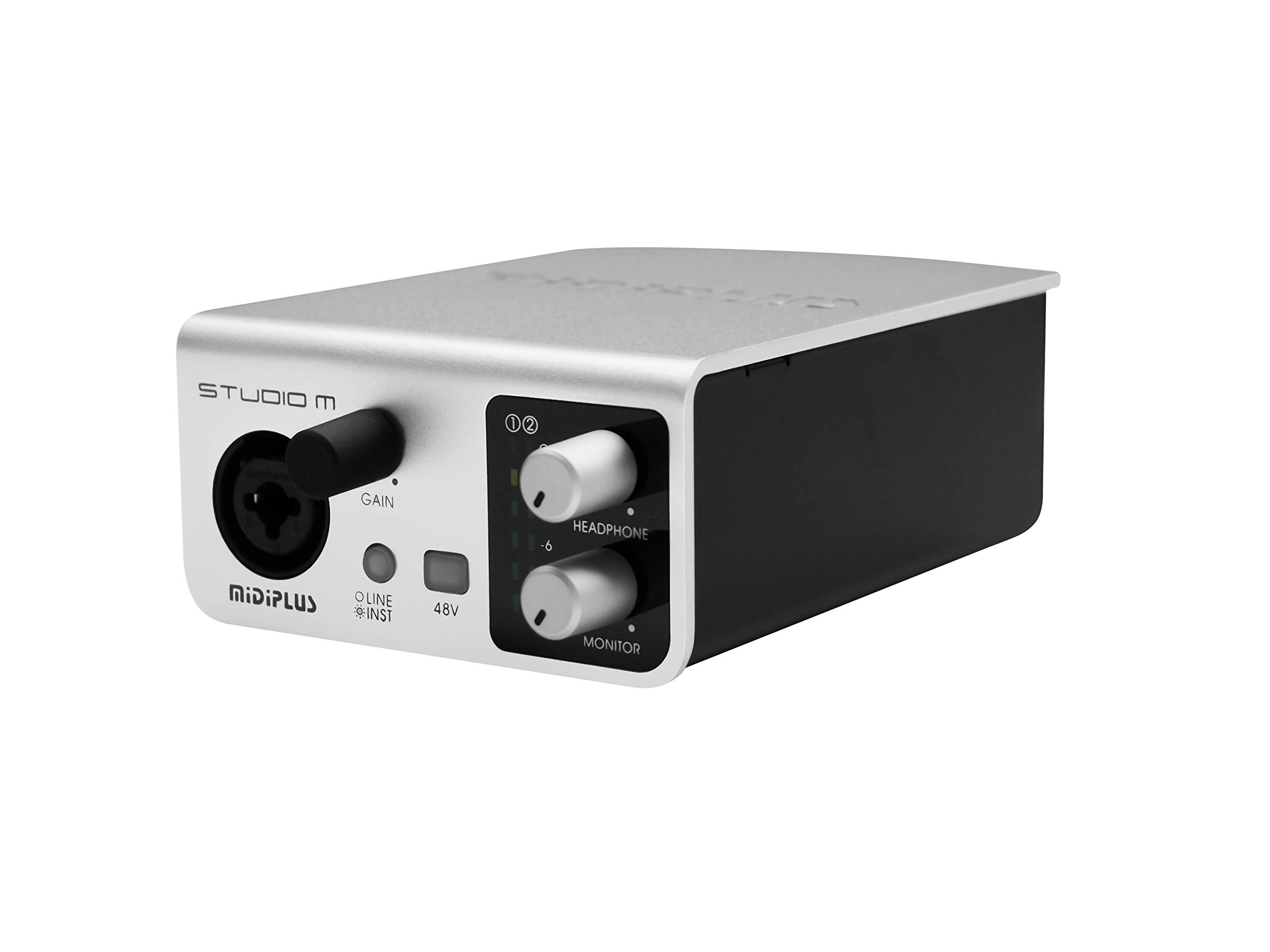
Hình 1: Mặt trước và mặt sau view of the Midiplus Studio M USB Audio Interface.
2. Hướng dẫn cài đặt
2.1 Nội dung gói
- Midiplus Studio M USB Audio Interface
- Cáp USB
- Sổ tay hướng dẫn sử dụng (tài liệu này)
- Thẻ thông tin
2.2 Yêu cầu hệ thống
- Hệ điều hành: Windows, macOS
- Compatible Devices: Personal Computer with USB port
2.3 Kết nối thiết bị
- Connect the Midiplus Studio M to your computer using the provided USB cable. The device is USB-powered.
- Ensure your operating system (Windows or macOS) recognizes the device. Drivers may be required for optimal performance; refer to the Midiplus webTrang web cung cấp các bản tải xuống trình điều khiển mới nhất.
- Connect your microphone or instrument to the Input (MIC/Line/Hi-z) interface on the front panel.
- Connect your headphones to the headphone interface on the front panel, or your studio monitors to the Output interface (Left/Right) on the rear panel.

Figure 2: Midiplus Studio M connected to a computer, showing input and output cables.
3. Hướng dẫn vận hành
3.1 Bảng điều khiển phía trước
- Input Gain Control Knob: Adjusts the input level for the connected microphone or instrument.
- Switch (Mic/Instrument) Button: Toggles between microphone and instrument input modes.
- 48V Phantom Power ON/OFF: Activates or deactivates 48V phantom power for condenser microphones.
- Headphone Volume Control Button: Adjusts the output volume for connected headphones.
- Output Volume Control Button: Adjusts the main output volume for connected studio monitors.

Figure 3: Midiplus Studio M in a studio setup, demonstrating its compact size and integration.
3.2 Kết nối bảng điều khiển phía sau
- Giao diện USB: USB2.0 port for connection to your computer and power supply.
- Output Interface (Left/Right): Connects to your studio monitors or other output devices.
- Extensible Device Interface: Provides additional connectivity options for other devices.
4. Bảo trì
- Giữ thiết bị sạch sẽ bằng cách lau bằng vải mềm, khô. Tránh sử dụng hóa chất mạnh hoặc vật liệu mài mòn.
- Hãy đảm bảo tất cả các dây cáp được kết nối chắc chắn để tránh mất tín hiệu hoặc hư hỏng.
- Bảo quản giao diện ở nơi khô ráo, thoáng mát, tránh ánh nắng trực tiếp và nhiệt độ quá cao hoặc quá thấp.
- Tránh đặt vật nặng lên trên thiết bị.
KHAI THÁC. Xử lý sự cố
5.1 Không có âm thanh đầu ra
- Check all cable connections (USB, input, output, headphones).
- Ensure the device is powered on and recognized by your computer.
- Verify that the output volume controls (headphone and main output) are turned up.
- Check your computer's sound settings to ensure the Midiplus Studio M is selected as the output device.
5.2 Input Signal Issues
- Adjust the Input Gain Control Knob.
- Ensure the correct input mode (Mic/Instrument) is selected.
- If using a condenser microphone, verify that 48V Phantom Power is enabled.
- Check the microphone/instrument cable for damage.
5.3 Thiết bị không được máy tính nhận diện
- Hãy thử kết nối cáp USB với một cổng USB khác trên máy tính của bạn.
- Khởi động lại máy tính của bạn.
- Ensure the latest drivers for the Midiplus Studio M are installed from the official Midiplus webđịa điểm.
- Nếu có sẵn, hãy thử với một cáp USB khác.
6. Thông số kỹ thuật
| Tính năng | Chi tiết |
|---|---|
| Số hiệu mẫu | Studio M |
| Thương hiệu | Trung tâm |
| Công nghệ kết nối | USB (USB2.0) |
| Độ phân giải âm thanh | 24-bit / 192kHz |
| Đầu vào | 1 (MIC/Line/Hi-z) |
| Đầu ra | 2 (Left/Right) |
| ma lực | 48V (có thể chuyển đổi) |
| Hệ điều hành tương thích | Windows, macOS |
| Kích thước sản phẩm | 5.28 x 3.54 x 1.89 inch |
| Trọng lượng sản phẩm | 14.1 ounce (0.4 kg) |
7. Bảo hành và Hỗ trợ
For warranty information and technical support, please refer to the official Midiplus webTruy cập trang web hoặc liên hệ với đại lý địa phương của bạn. Giữ lại hóa đơn mua hàng làm bằng chứng mua hàng cho bất kỳ yêu cầu bảo hành nào.


