
1. Giới thiệu
This manual provides essential information for the proper setup, operation, and maintenance of your Sony SLV-FT5 VHS Video Cassette Recorder (VCR). Please read these instructions thoroughly before using the unit to ensure optimal performance and safety.
2. Thông tin an toàn
Luôn tuân thủ các biện pháp an toàn cơ bản khi sử dụng sản phẩm này để giảm nguy cơ cháy nổ, điện giật và thương tích.
- Không để thiết bị tiếp xúc với mưa hoặc hơi ẩm.
- Không mở tủ. Chỉ tham khảo dịch vụ cho nhân viên có trình độ.
- Đảm bảo thông gió thích hợp; không chặn các lỗ thông gió.
- Chỉ sử dụng bộ nguồn được chỉ định cho thiết bị này.
- Để thiết bị tránh xa nguồn nhiệt và ánh nắng trực tiếp.
3. Thiết lập
3.1 Tháo dỡ
Carefully remove the VCR and all accessories from the packaging. Verify that all components are present: the SLV-FT5 VCR unit, remote control, and necessary connection cables (e.g., RCA audio/video cables).
3.2 Kết nối với TV
To connect the VCR to your television, use the provided RCA audio/video cables. Match the colored plugs to the corresponding colored jacks on both the VCR and your TV (Yellow for Video, White for Left Audio, Red for Right Audio).

Hình 1: Rear panel of the Sony SLV-FT5 VCR. This image displays the various input and output ports, including RCA jacks for audio and video, and the power input. The product label with model number SLV-FT5 and power specifications (100V 18W 50/60Hz) is also visible.
3.3 kết nối nguồn
Plug the VCR's power cord into a standard electrical outlet (AC 100V, 50/60Hz). Ensure the power outlet is easily accessible.
3.4 Thiết lập điều khiển từ xa
Open the battery compartment on the back of the remote control and insert two AA batteries, observing the correct polarity (+/-). Close the compartment securely.

Hình 2: The Sony RMT-V219 remote control, designed for the SLV-FT5 VCR. This image also shows the included RCA audio/video cables, which are typically used for connecting the VCR to a television.
4. Operating the VCR
4.1 Bật / Tắt nguồn
Nhấn nút QUYỀN LỰC button on the VCR's front panel or the remote control to turn the unit on or off.
4.2 Loading and Unloading a VHS Tape
- Đang tải: Insert a VHS cassette into the tape slot on the front of the VCR with the tape window facing forward. The VCR will automatically pull the tape in.
- Dỡ hàng: Nhấn nút ĐẨY RA button on the VCR or remote control. The tape will be ejected.
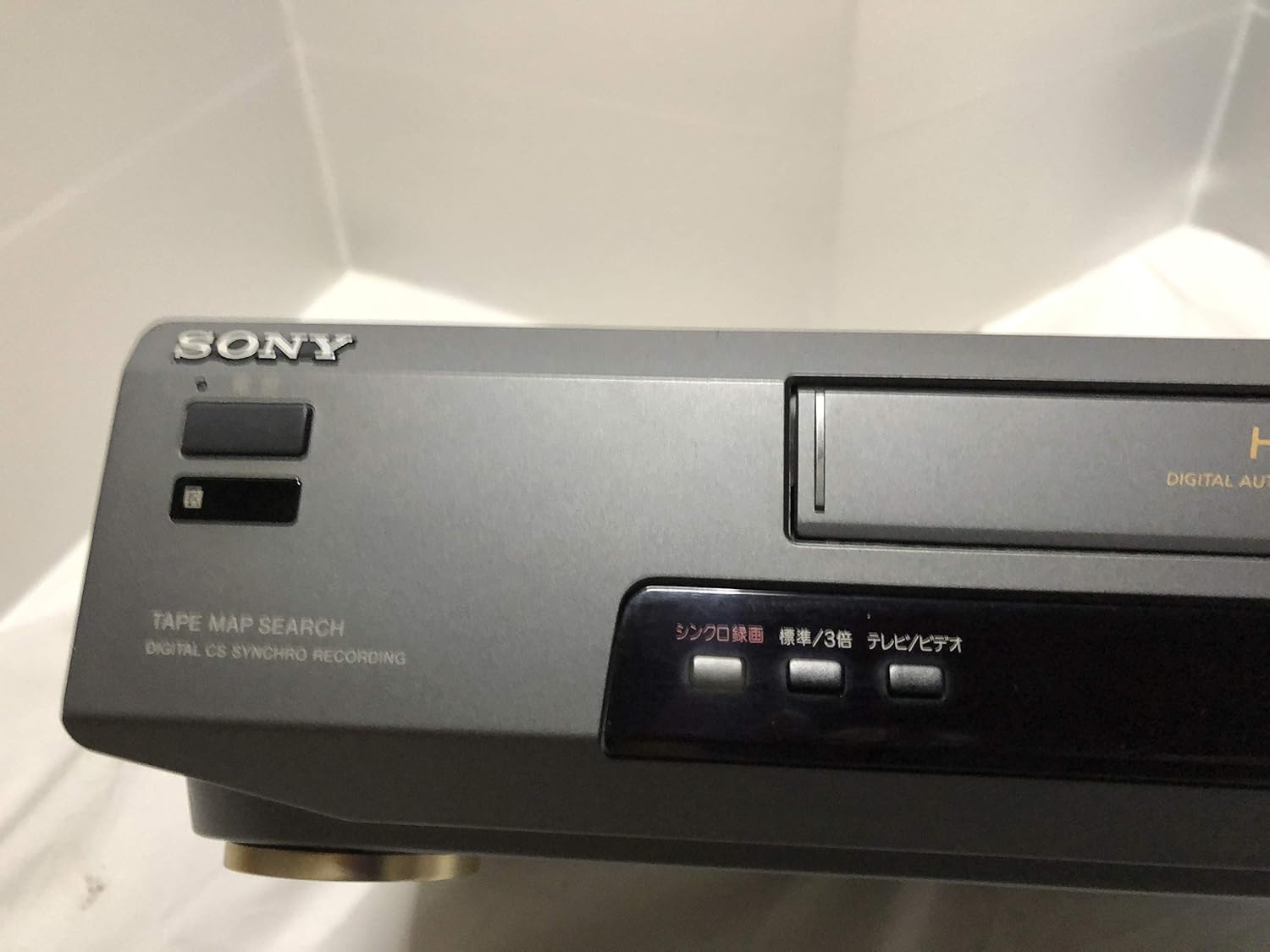
Hình 3: Front left section of the Sony SLV-FT5 VCR. This view highlights the tape loading slot and the 'TAPE MAP SEARCH' feature, which assists in navigating recorded content on a tape.
4.3 Phát lại
After loading a tape, press the CHƠI button (►) on the VCR or remote control to begin playback. Use the TẠM DỪNG (∥), DỪNG LẠI (■), QUAY LẠI (◀◀), and TIẾP TỤC NHANH (►►) buttons to control playback.

Hình 4: Front right section of the Sony SLV-FT5 VCR. This image displays the main playback controls (Play, Stop, Rewind, Fast Forward, Pause) and additional buttons for 'Quick Timer' and 'Tracking' adjustments.
4.4 Ghi âm
To record, ensure a blank or recordable tape is inserted. Select the desired input source (e.g., TV channel). Press the GHI NHẬN (●) button on the VCR or remote control. Press DỪNG LẠI (■) to end recording.
4.5 Tracking Adjustment
If the picture quality during playback is poor (e.g., horizontal lines or noise), use the THEO DÕI buttons on the front panel or remote control to fine-tune the tape's alignment with the VCR's heads.
5. Bảo trì
5.1 Vệ sinh thiết bị
Wipe the exterior of the VCR with a soft, dry cloth. For stubborn stains, use a cloth lightly dampRửa sạch bằng dung dịch chất tẩy rửa nhẹ, sau đó lau khô. Không sử dụng chất tẩy rửa có tính ăn mòn hoặc dung môi.
5.2 Vệ sinh đầu
Over time, VCR heads can accumulate dirt, leading to poor picture and sound quality. Use a commercially available dry-type VHS head cleaning cassette according to its instructions. Avoid wet-type cleaners as they can damage the heads.
5.3 Lưu trữ
When not in use for extended periods, disconnect the VCR from the power outlet. Store the unit in a cool, dry place, away from dust and direct sunlight.
KHAI THÁC. Xử lý sự cố
If you encounter issues with your VCR, refer to the following common problems and solutions before seeking professional service.
| Vấn đề | Nguyên nhân có thể | Giải pháp |
|---|---|---|
| Không có điện | Dây nguồn bị ngắt kết nối; sự cố ổ cắm điện | Kiểm tra kết nối dây nguồn; thử ổ cắm khác. |
| Không có hình ảnh/âm thanh | Incorrect TV input; loose A/V cables | Select correct TV input (e.g., Video 1, AV); ensure A/V cables are securely connected. |
| Chất lượng hình ảnh kém (mờ, có vạch) | Dirty VCR heads; tracking issue; old/damaged tape | Clean VCR heads; adjust tracking; try a different tape. |
| Băng không đẩy ra được. | Power issue; mechanical malfunction | Ensure power is on; try pressing EJECT multiple times. If issue persists, seek service. |
| Điều khiển từ xa không hoạt động | Hết pin; cảm biến bị tắc nghẽn | Replace batteries; ensure no obstacles between remote and VCR sensor. |
7. Thông số kỹ thuật
| Tính năng | Đặc điểm kỹ thuật |
|---|---|
| Thương hiệu | Sony |
| Số hiệu mẫu | SLV-FT5 |
| Loại phương tiện truyền thông | Băng VHS |
| Nghị quyết | 720 x 480 pixel |
| Trọng lượng sản phẩm | 4160 gram |
| Chế độ đầu ra âm thanh | Âm thanh nổi |
| Định dạng âm thanh được hỗ trợ | Monaural, Stereo |
| Mã hóa video | Tương tự |
| Thiết bị tương thích | Tivi |
| Khả năng tương thích video đầu vào | NTSC |
| Yêu cầu về nguồn điện | 100V, 18W, 50/60Hz |
8. Bảo hành và Hỗ trợ
For warranty information and customer support, please refer to the documentation included with your purchase or visit the official Sony webtrang web. Giữ lại bằng chứng mua hàng để yêu cầu bảo hành.